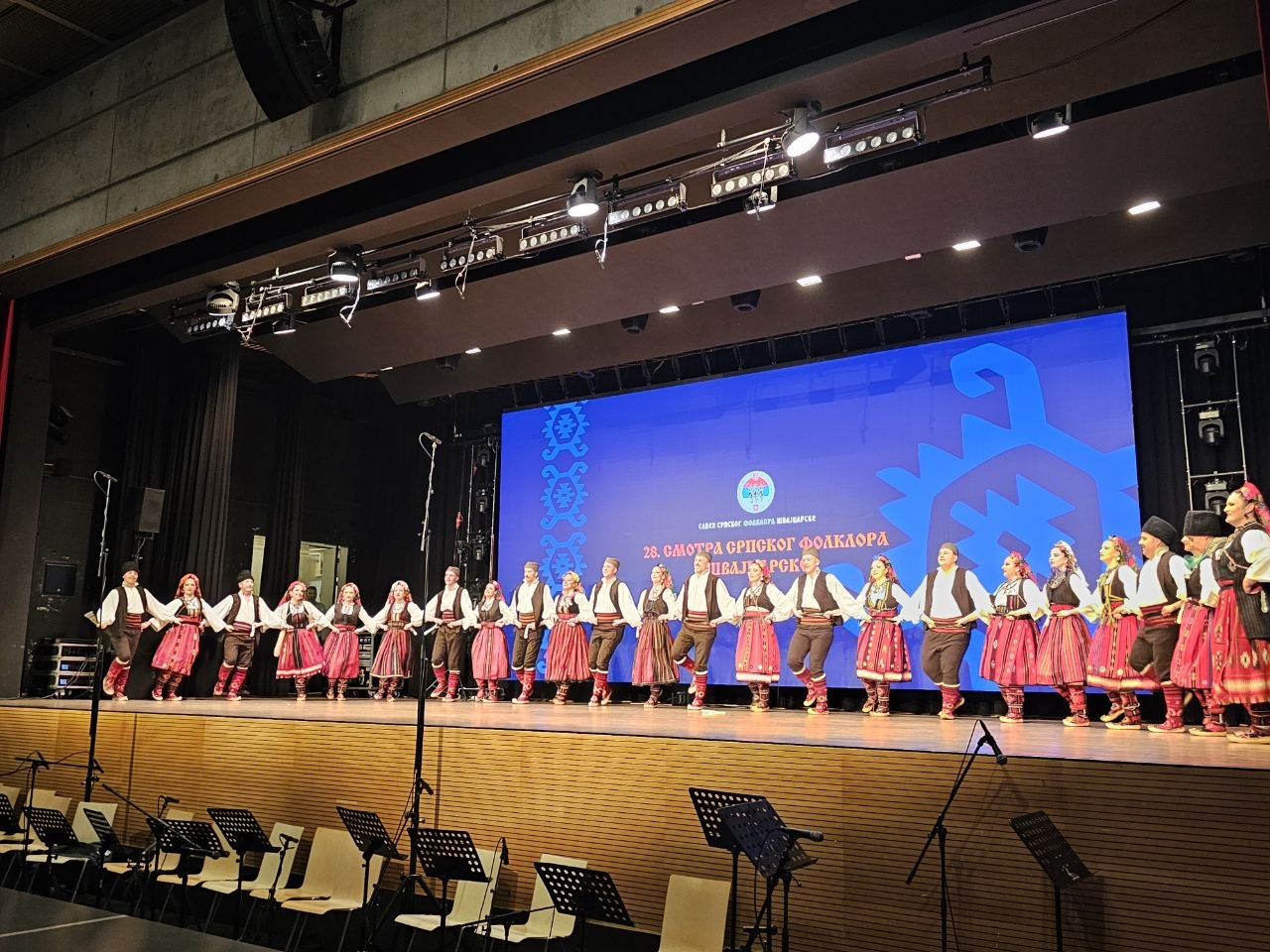

Tradition and Integration: The 28th Serbian Folklore Festival as a Bridge of Cultures in Switzerland
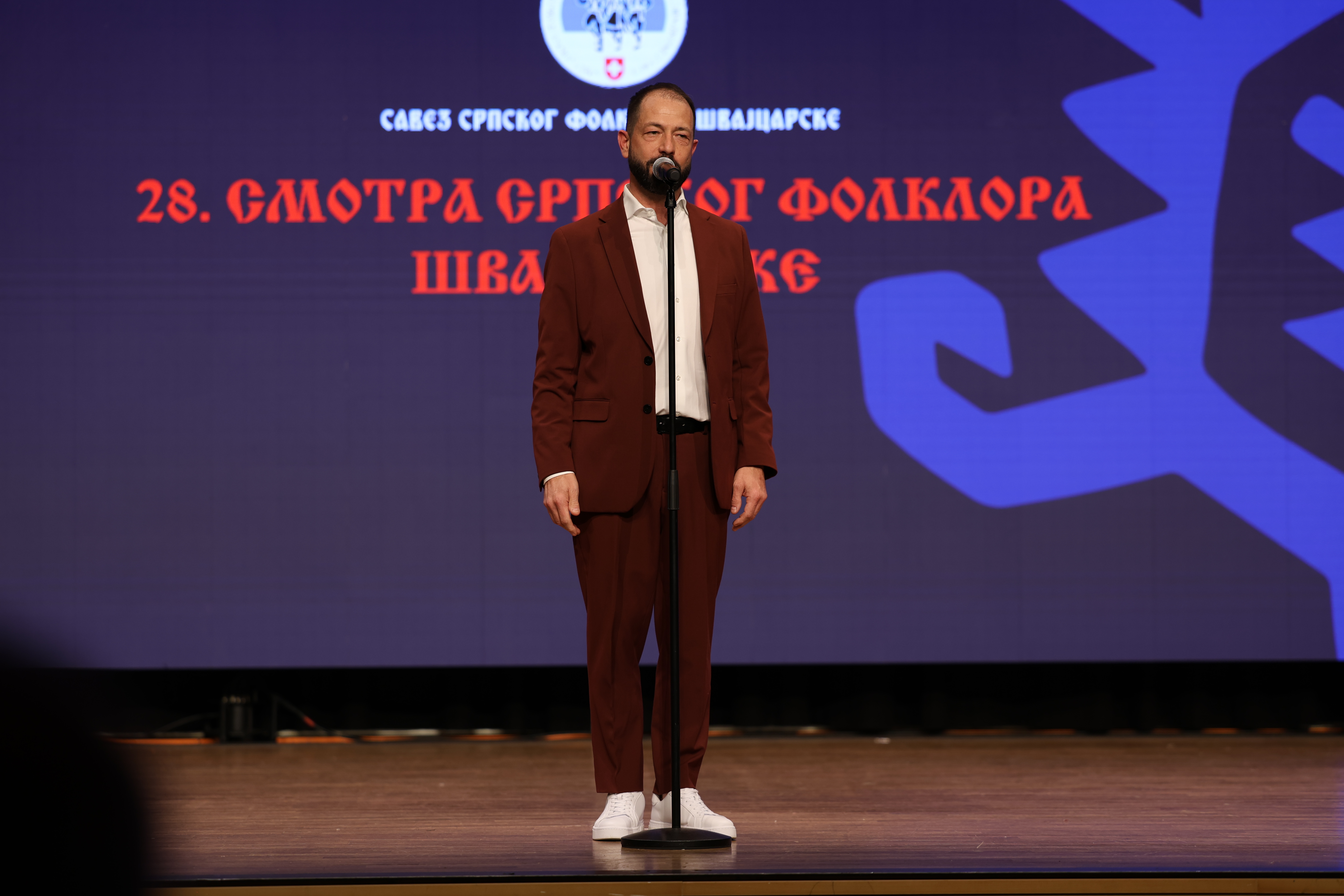
The event was opened by the host and organizer of the evening, the President of the Serbian Folklore Association of Switzerland, Nenad Milenković. In his welcoming speech, he thanked the many folklore groups, volunteers, and members of the audience for their support of this event, which for nearly three decades has brought together Serbian cultural associations from all parts of Switzerland. The excellent organization and the great interest shown by the audience once again underlined the importance of his long-standing commitment to preserving Serbian tradition in the diaspora.
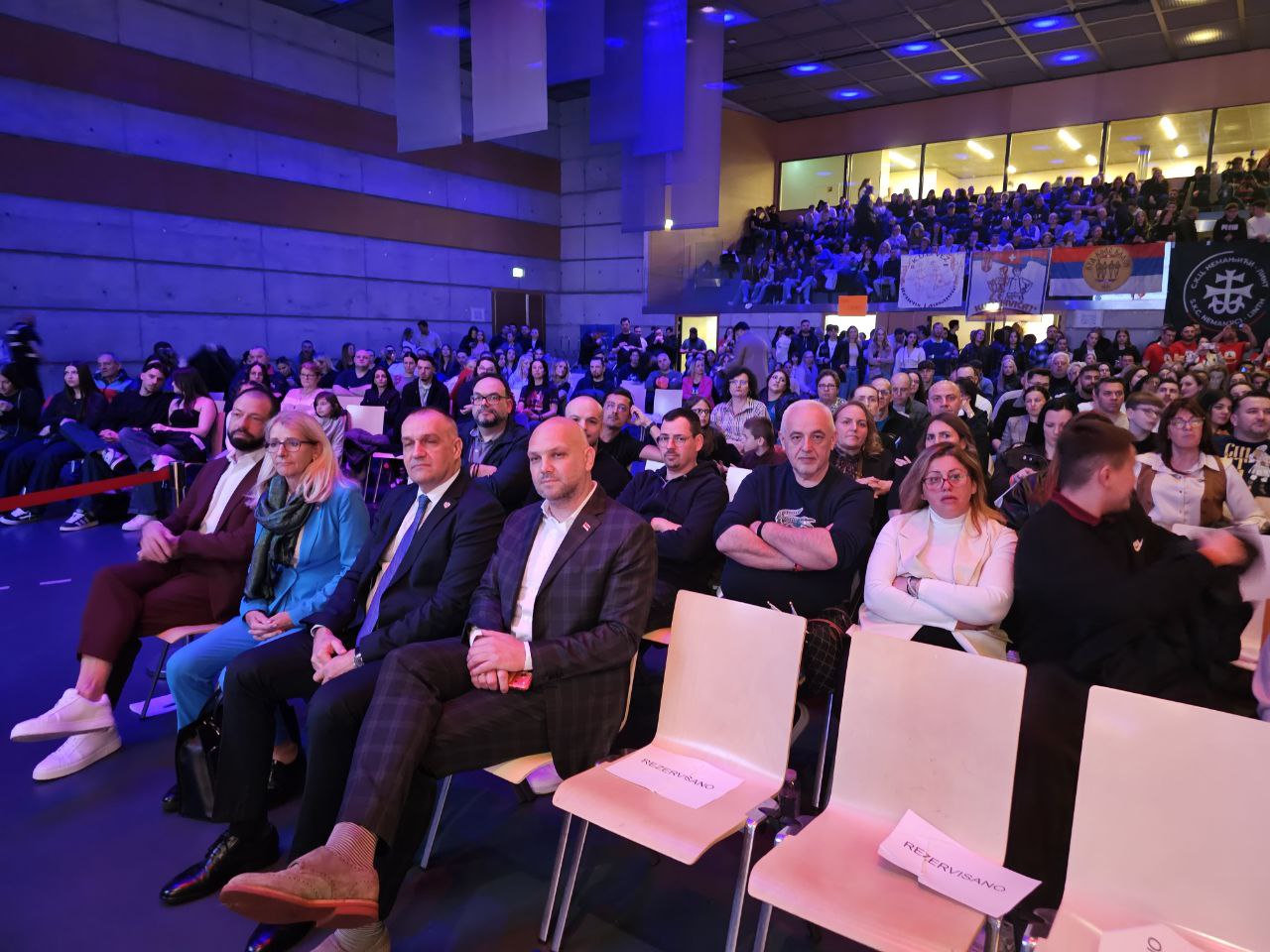
This year’s event gained additional significance through the presence of representatives of Swiss politics. For the first time, a member of the National Council attended the festival and addressed the audience - a special recognition of the Serbian community and its role in Swiss society.
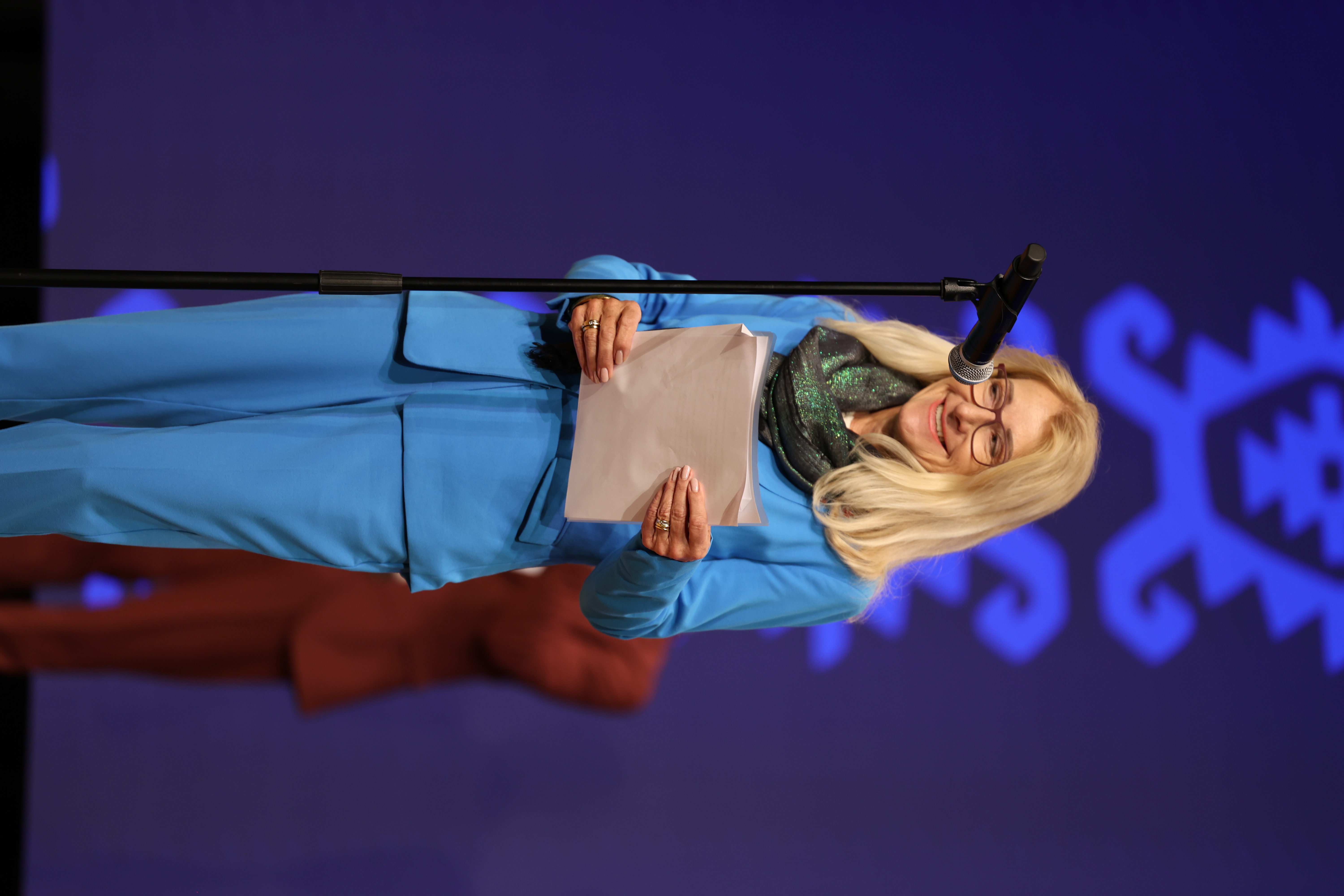
Member of Parliament Therese Schläpfer (SVP) emphasized in her speech the importance of Switzerland’s traditional neutrality in a time of growing international tensions. Stability, political reliability, and social cohesion, she stressed, are key values that have shaped Switzerland for decades.
She also reminded the audience of an important anniversary being marked this year: 110 years of diplomatic relations between Serbia and Switzerland. The Serbian community in Switzerland, Schläpfer noted, represents an important bridge between the two countries.
Speaking about integration, she highlighted that Serbs in Switzerland represent an example of successful integration - engaged in economic life, active in associations, and present in everyday social life, while at the same time preserving their cultural roots.
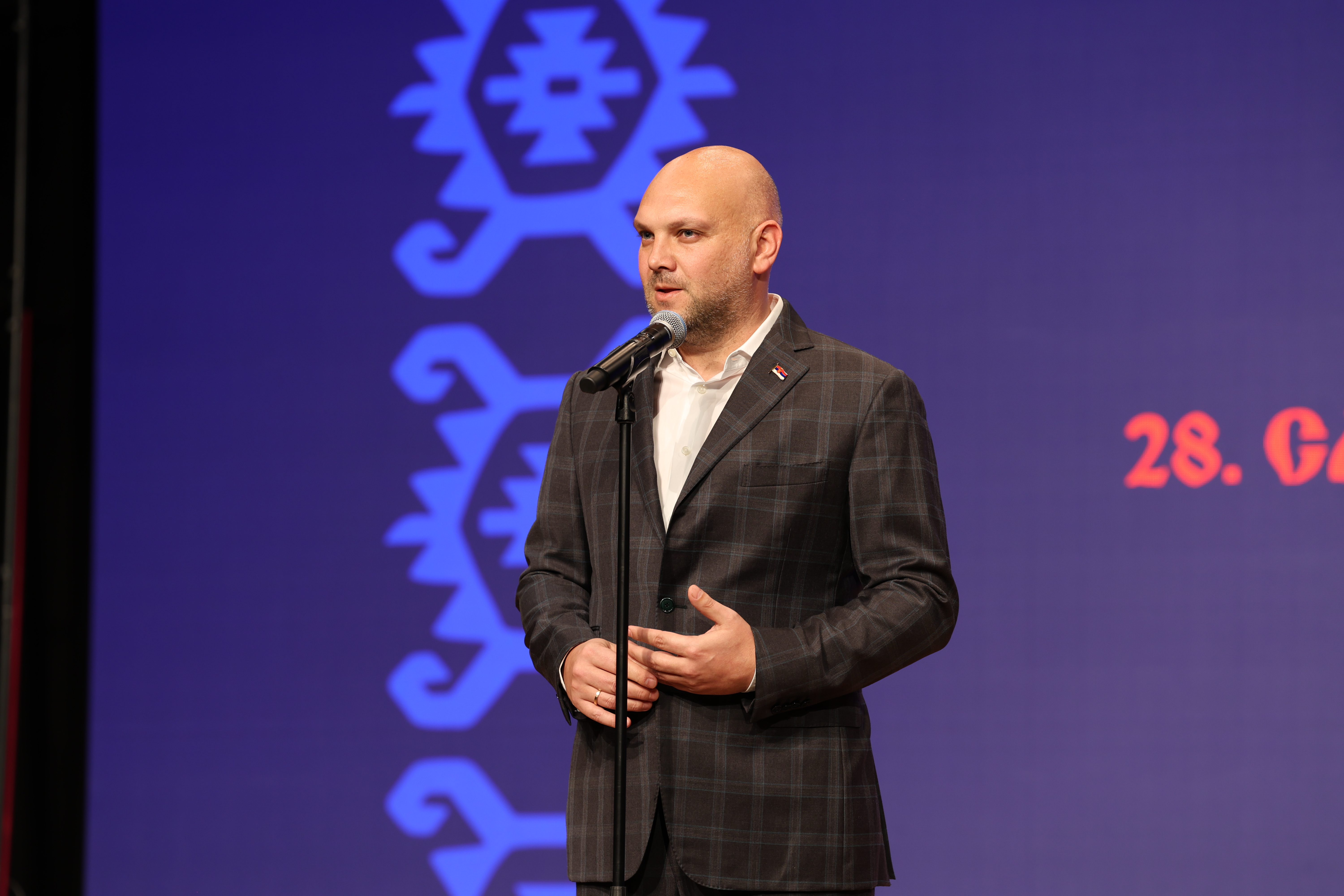
Following her address, the Consul General of the Republic of Serbia in Zurich, Mihajlo Šaulić, officially announced the performances. In his speech, he emphasized the role of folklore associations, which for decades have brought together younger generations and, through dance, music, and community, preserve the cultural heritage of the Serbian people in the diaspora.
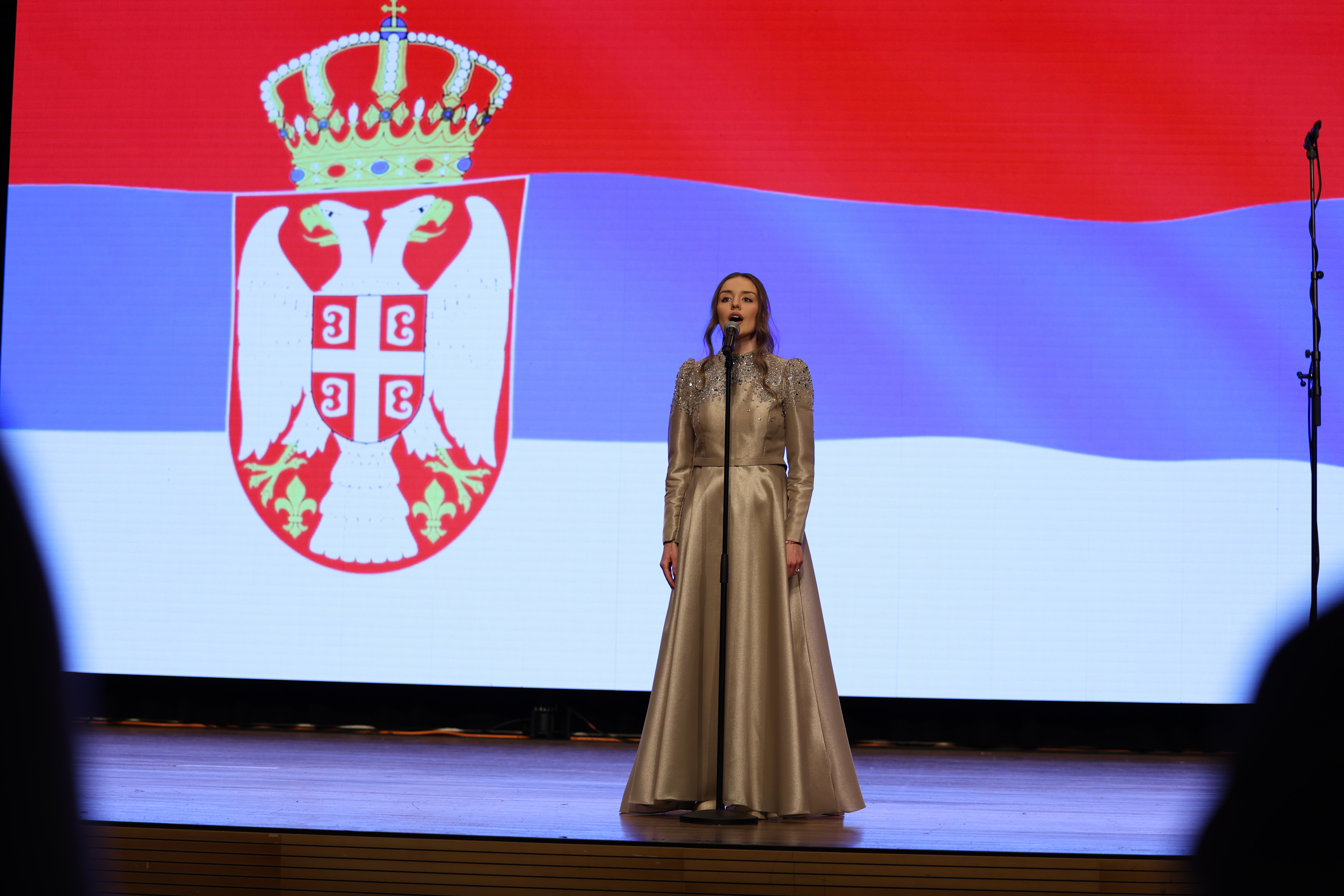
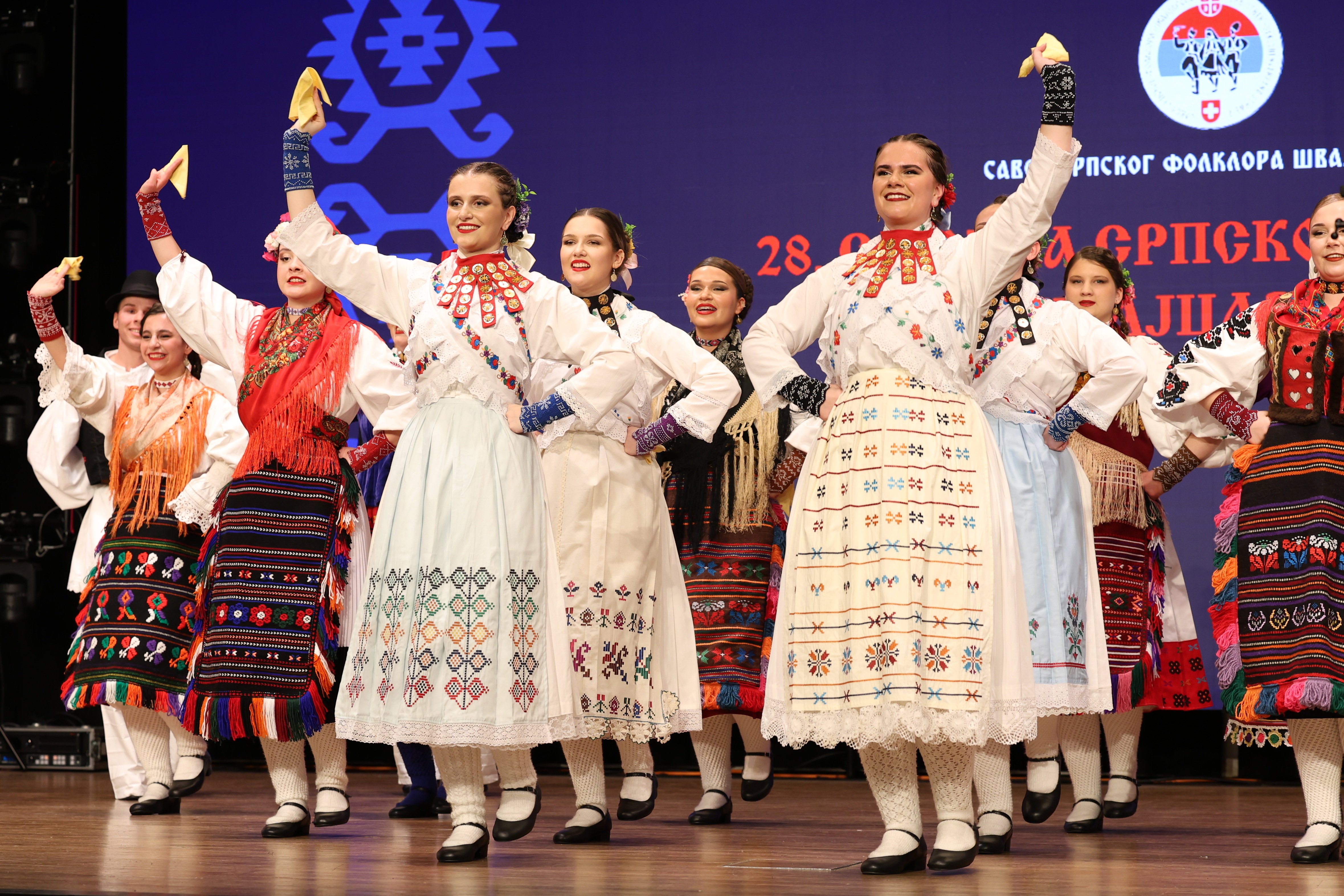
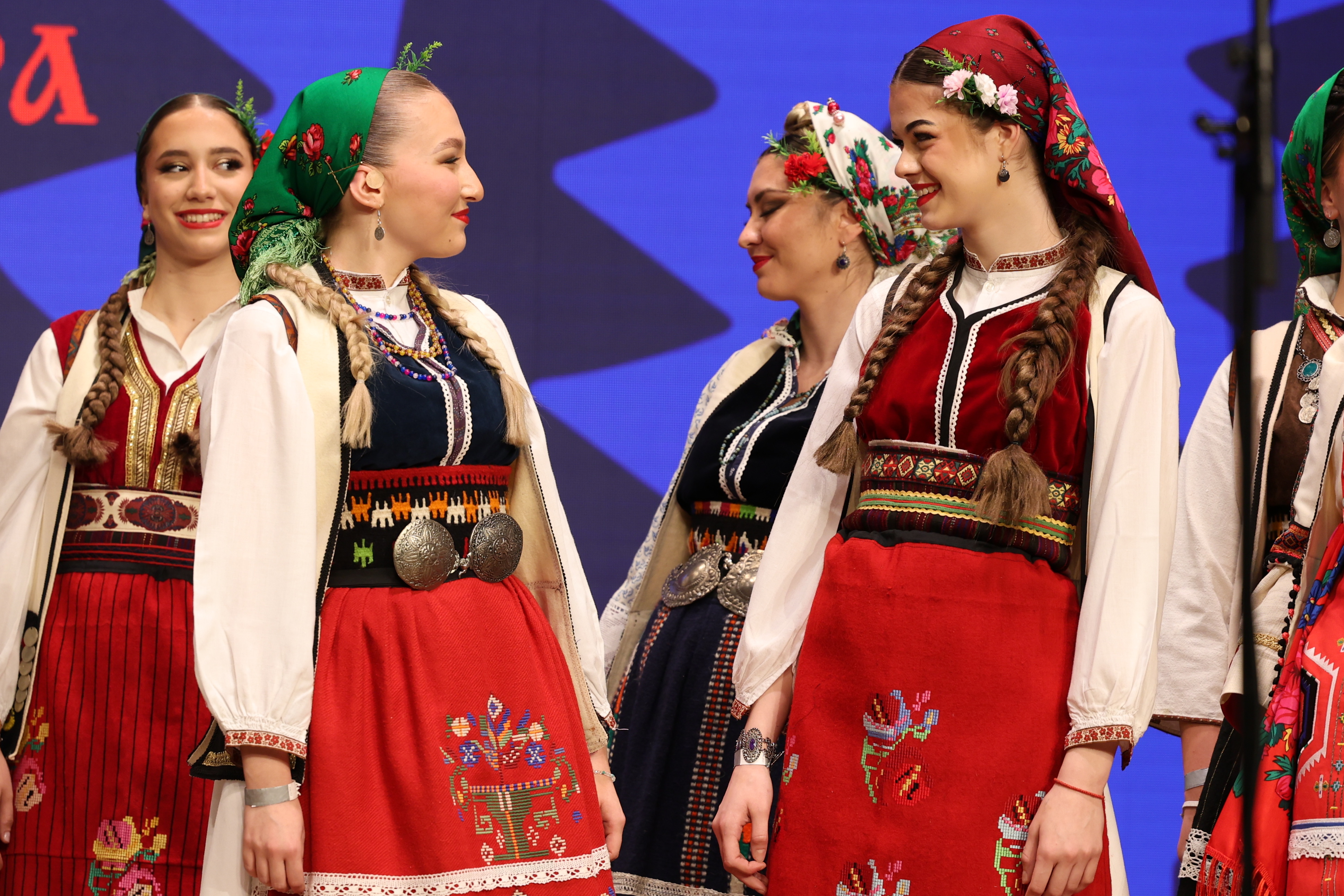
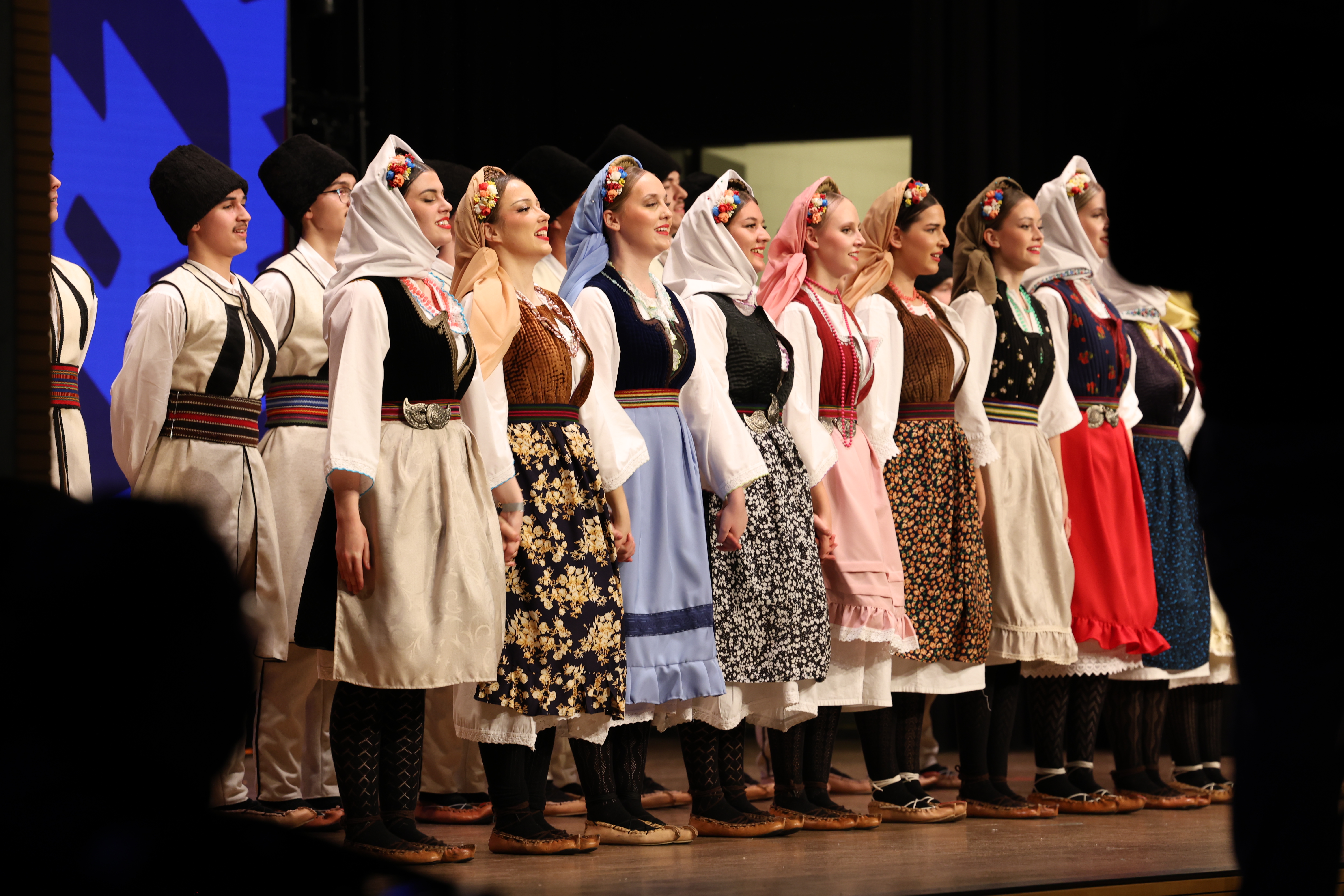
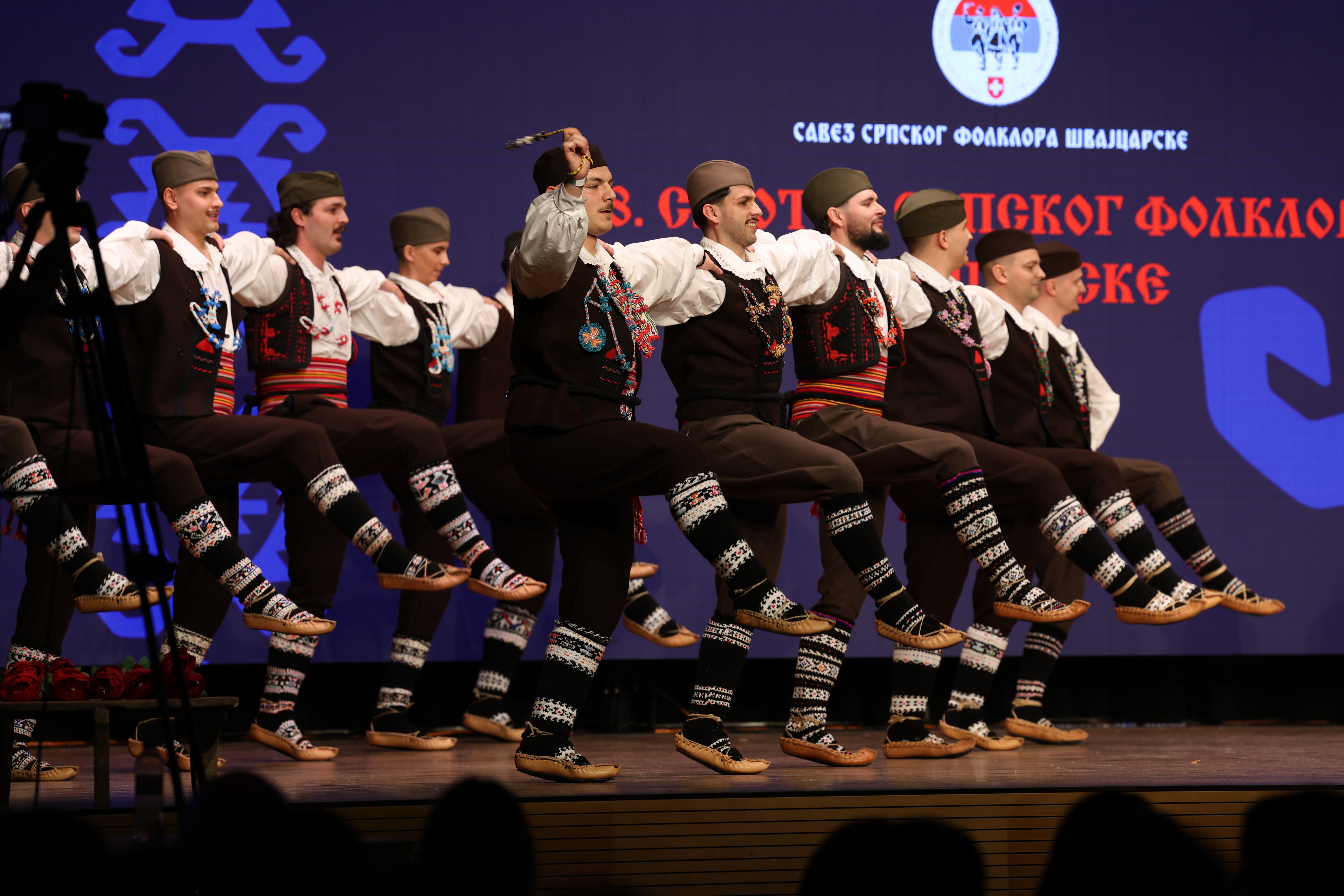
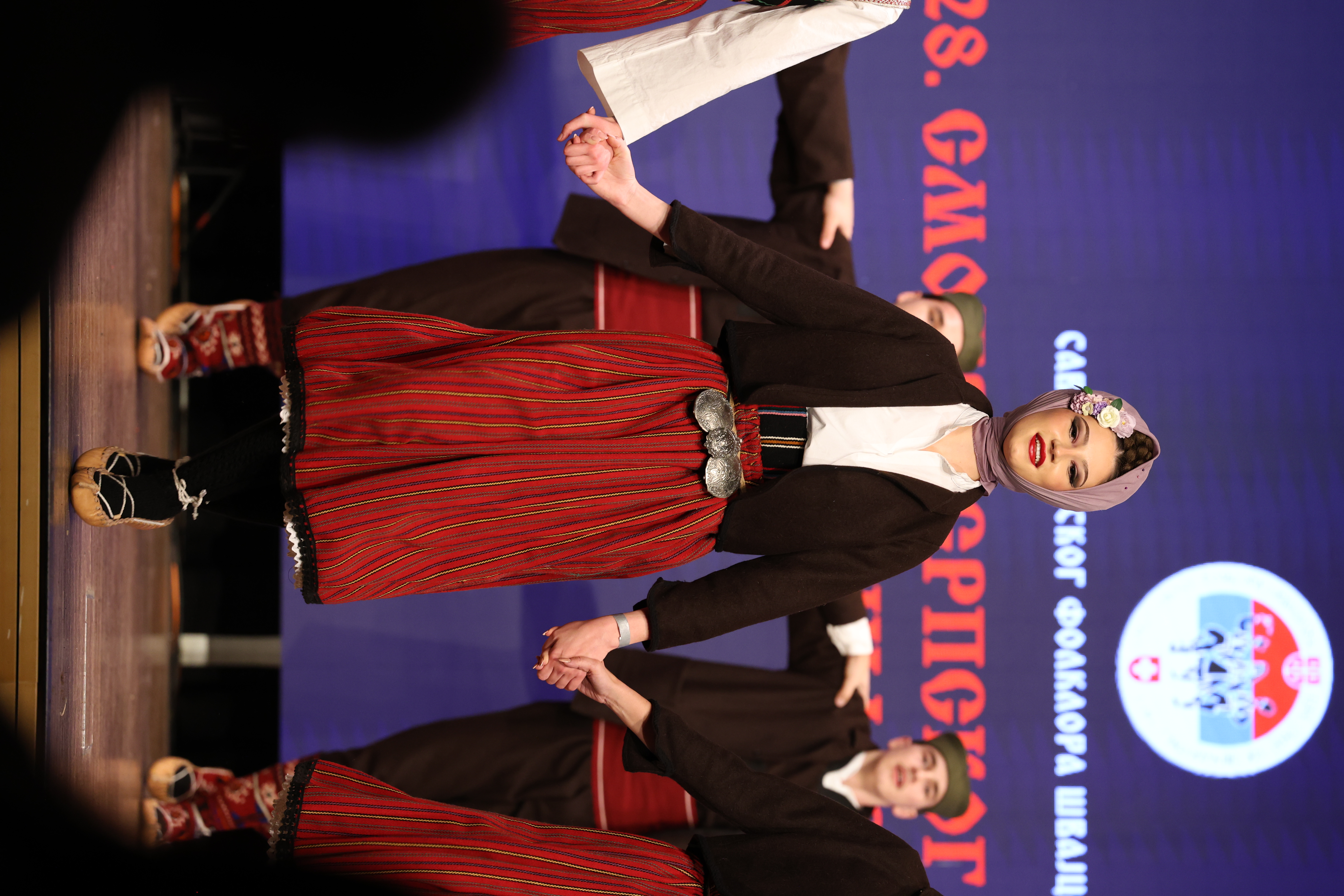
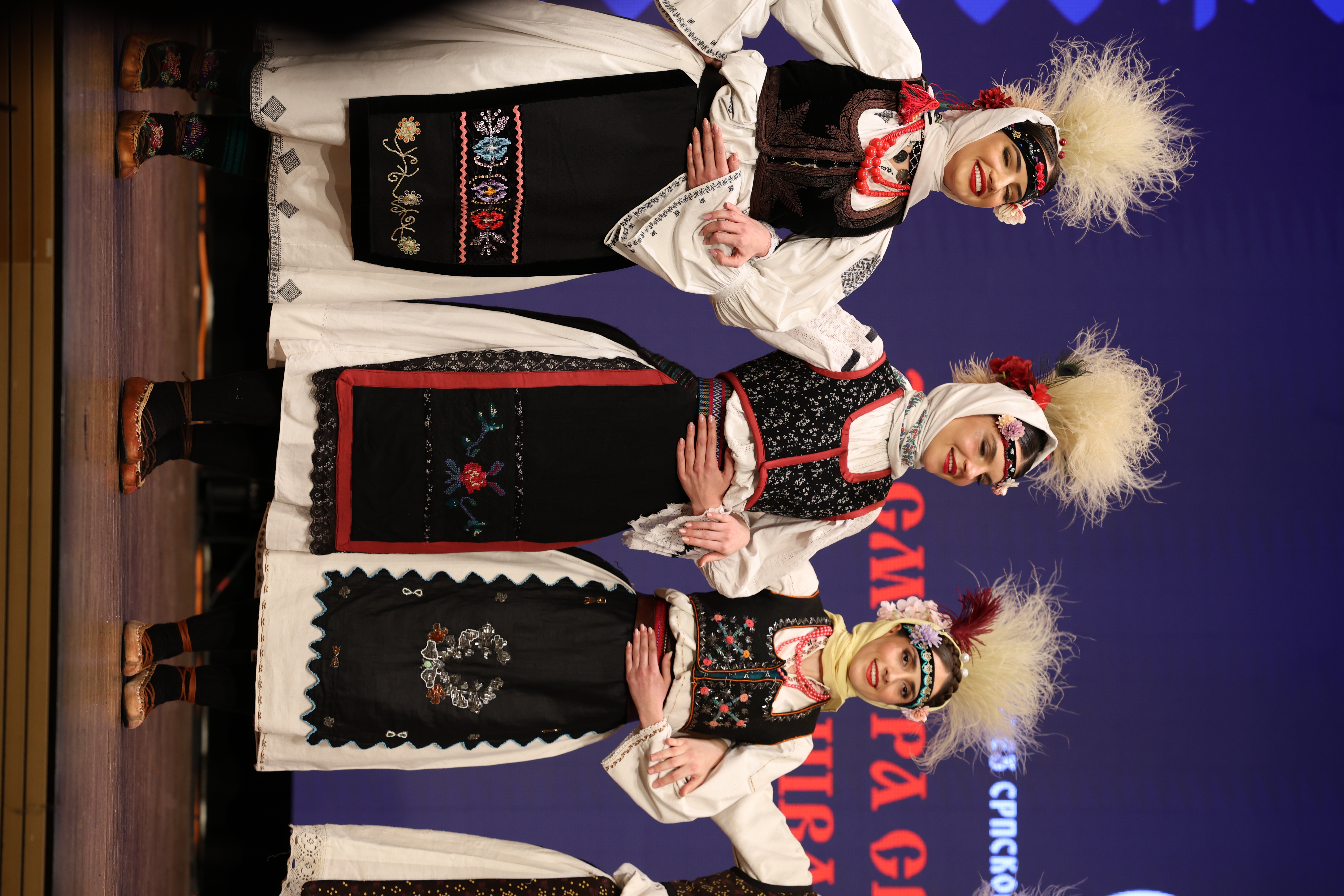
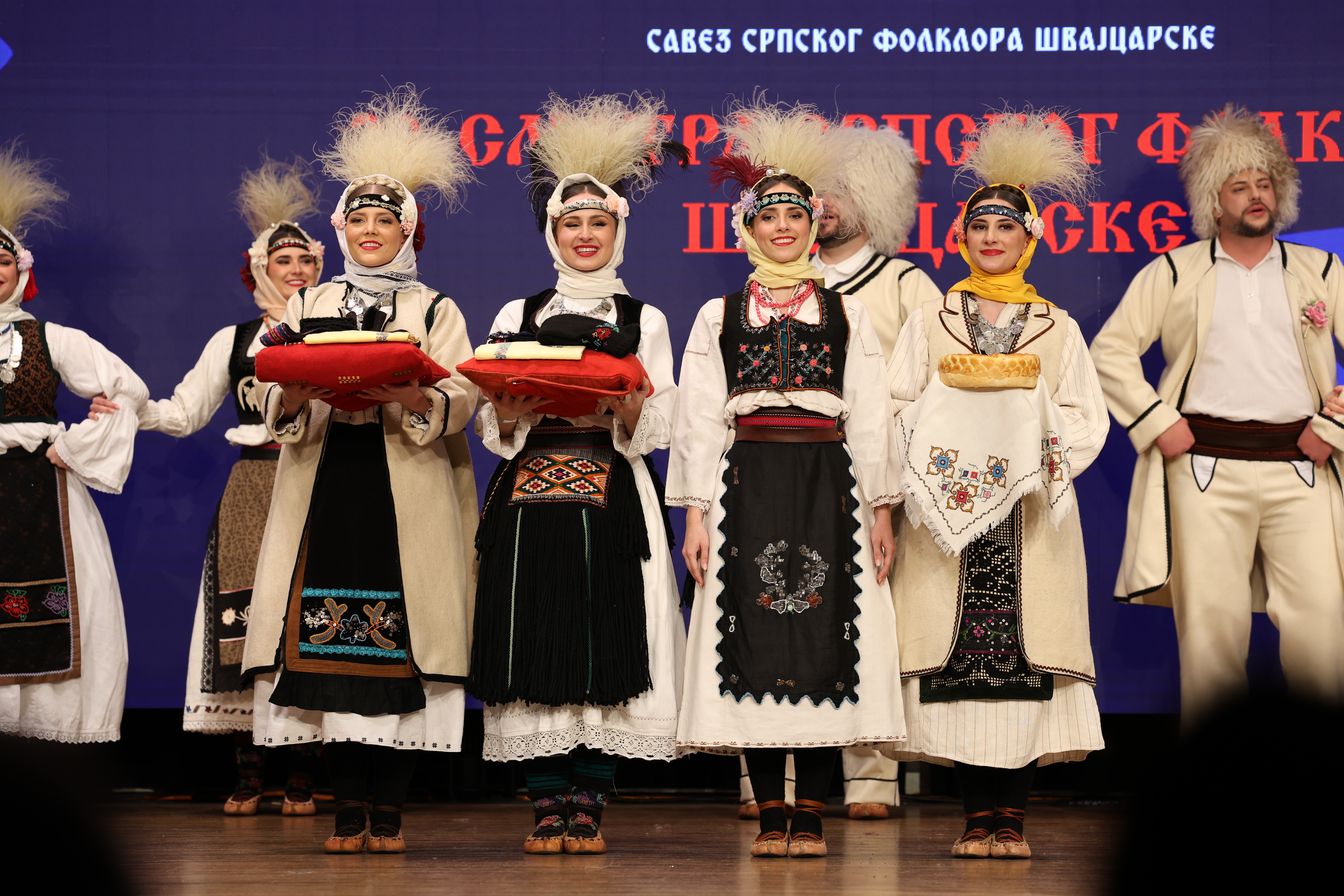
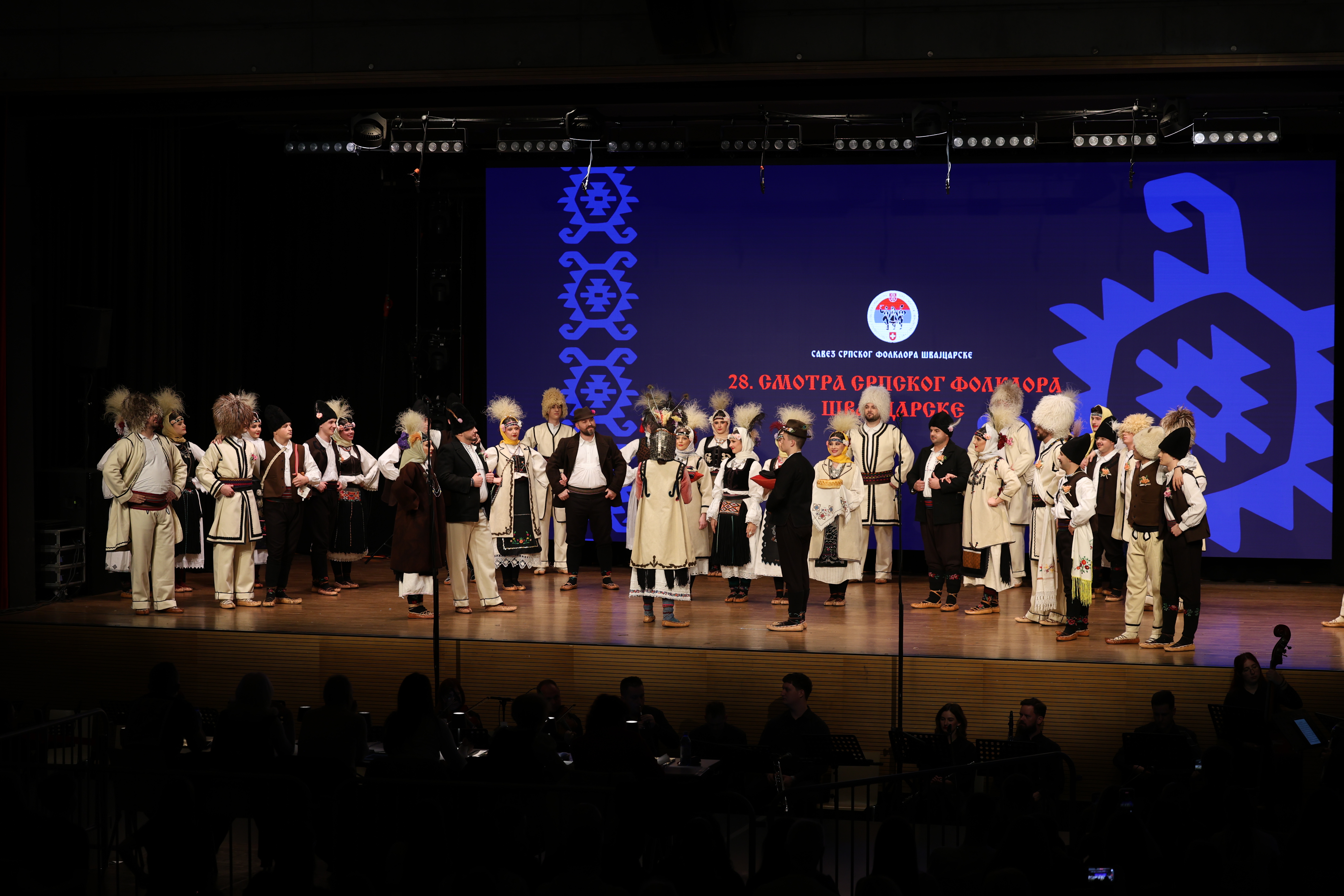
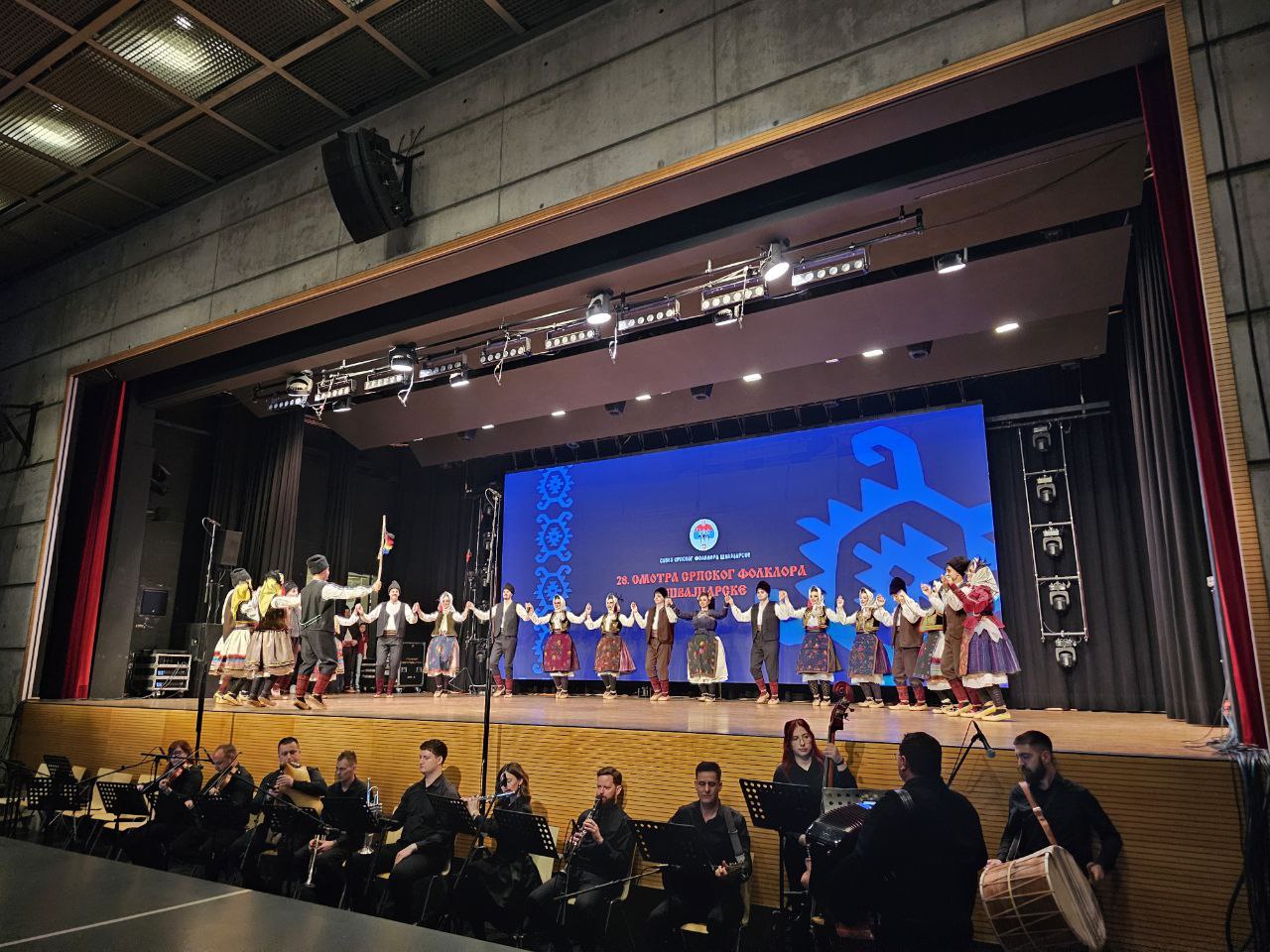
The performances of the ensembles were the central part of the evening. A total of 14 folklore groups from across Switzerland presented dances from various regions of Serbia and the Balkans - from southern Serbia and the Niš region to Srem and the traditions of eastern Serbia. Richly embroidered costumes, precise choreography, and the energy of the young dancers impressively demonstrated the dedication with which this tradition is preserved.
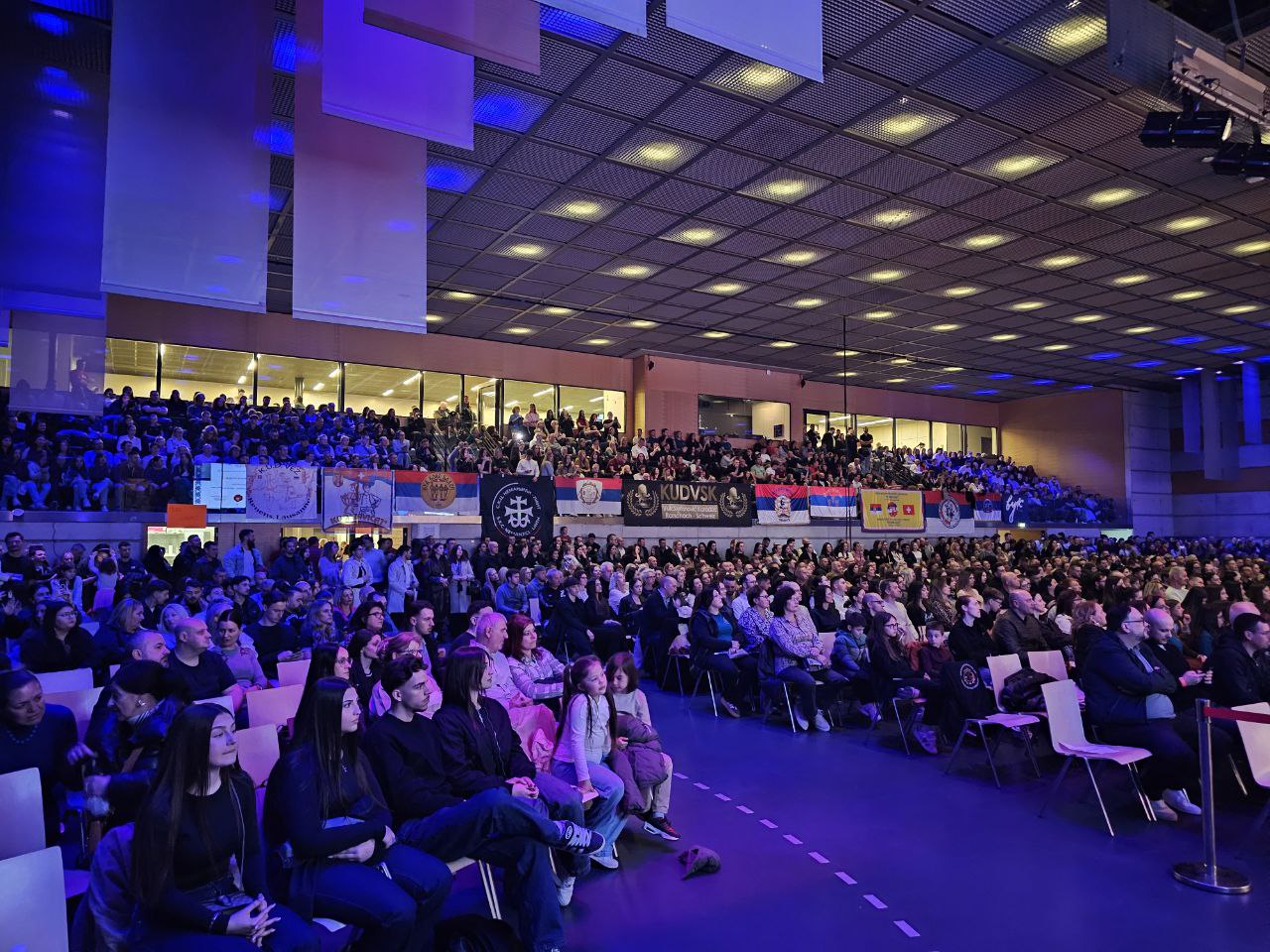
However, the festival is much more than a stage program. It is also a major social gathering where families, friends, and supporters from all parts of Switzerland come together. Flags, singing, and the enthusiasm of the audience created an atmosphere that at times resembled a major sporting event.
It is precisely this combination of tradition, community, and modern life in Switzerland that gives the event its special significance. The Serbian Folklore Festival shows that cultural identity and successful integration are not in contradiction - on the contrary, they can strengthen one another.
The evening in Dietikon once again became a visible sign that the Serbian community is a well-integrated and active part of Swiss society - a community that preserves its cultural roots while actively participating in the life of the country in which it lives.
Photos: Hugo Event Production